Seeking knowledge is an important task in life, as education becomes the building block of any field in life, from planting to architecture and so on. Not knowing about sociological theories and how does it shapes our understanding of life could block us from seeing things that lies beneath the word ‘education’ or educational institutes.

Educational institutes usually work with the same guidelines. They all have rules; they’ll ask you what to do and what to prevent yourself from doing. Therefore, students or faculties are not the ones who put the guidelines for their actions in the campus; the one who has the ‘control’ is the dean, the owner of the university or someone who is responsible for the education in the country. Therefore, educational institutes tend to be utilitarian organizations that are classified also as bureaucratic. Students go to school, universities or any other educational institute in order to seek knowledge or gain a degree; hence educational institutes are utilitarian. Educational institute put guidelines and goals for achieving a higher rank of education and students graduating with a high degree in order to compete with other institutes and raise their honor, therefore they’ve a goal or value to achieve by having a certain control on the students, so it’s bureaucratic.

But is educational institutes being bureaucratic and utilitarian is beneficial or helpless? From the point of view of society, guidelines set by educational institutes can cause social conflicts, as some rules might seem fair to one and unfair to another. For example plagiarism, as some people might get affected if someone copied their work without them knowing and at the end, the plagiarist and the victim of plagiarism will be responsible. However, from the point of view of the functionalist, rules and guidelines are necessarily for helping people to achieve a certain point as they put certain tasks with certain deadlines so that employees or students won’t delay their work and would learn this much in this time. But that also bring us back to the fact of being controlled by these guidelines that are set by someone in a higher statues, therefore, we cant satisfy both sides, education always have a functional purpose and a conflict.
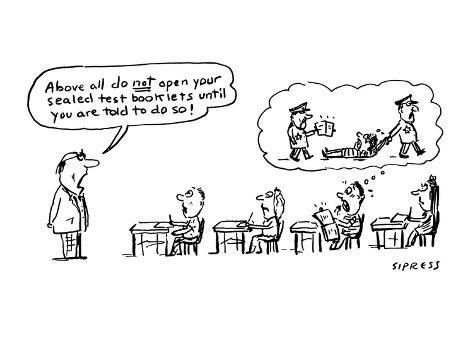
Not only the large educational institutes such as universities have rules and guidelines, however, even school nowadays provides student with a small book full of guidelines and rules to be followed. When I used to be in primary school or even secondary school, in Qatar schools never had a full book that tells you what to do and what to prevent from doing, but when I got to high school at the year 2007, guidelines and rules were filing life. Not only my high school “Al-Bayan” had a book full of guidelines, but also online courses, social and educational centers…etc. all had policies. Having such policies, didn’t allow me or any other person seeking knowledge to do what we actually want to do, as we all had to do this and that at that certain deadlines and if we didn’t do things the same why, we fail. Therefore, it’s not a choice to follow what it is giving to us if we want the knowledge or the degree; it’s a must or else, game over.
In someway or another, we can’t do everything we want to do without following anyone’s rules. There is always someone who leads us around. Can be negative, but also positive, as if we break all the rules and we did whatever we wish, we lose organization in life as well as everyone will have his/her own revolution.