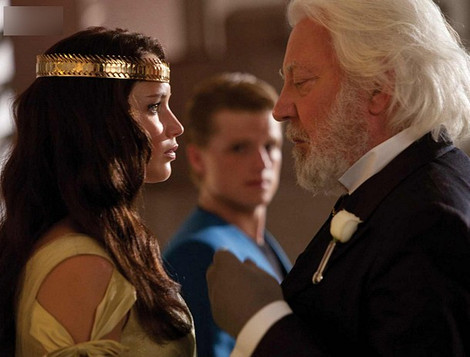
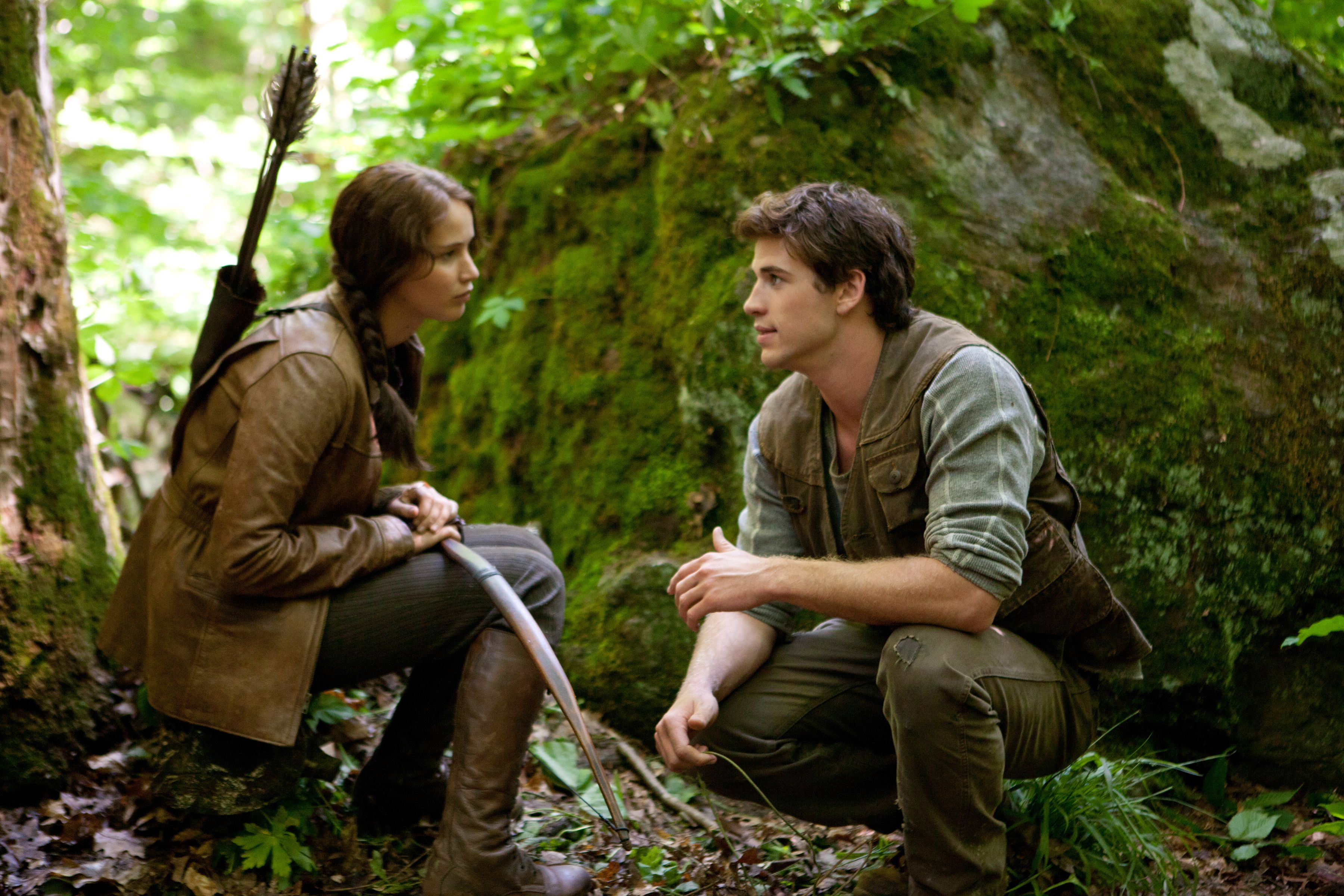
In 2011, Suzanne Collin’s The Hunger Games become quickly worldwide Young Adult literature best seller. The story revolves around Katniss Everdeen, a sixteen-year-old girl that takes her younger sister’s place to fight in a survival-of-the-fittest tournament in a post-apocalyptic world. She puts herself in danger in order to protect her family, sacrifices for her district and tricks the capitol (the game leaders) through the means of her wit and intelligence. Eventually, she survives the game that forces twenty-four children to fight to their death, along with Peeta, the romantic interest who is described as far weaker than her.
Thursday, February 28, 2013
Feminism in The Hunger Games
In 2011, Suzanne Collin’s The Hunger Games become quickly worldwide Young Adult literature best seller. The story revolves around Katniss Everdeen, a sixteen-year-old girl that takes her younger sister’s place to fight in a survival-of-the-fittest tournament in a post-apocalyptic world. She puts herself in danger in order to protect her family, sacrifices for her district and tricks the capitol (the game leaders) through the means of her wit and intelligence. Eventually, she survives the game that forces twenty-four children to fight to their death, along with Peeta, the romantic interest who is described as far weaker than her.
Saturday, February 23, 2013
Nicholas Sparks - Why so famous?
That got me thinking about books, and how most of these risk management techniques can be applied to books as well as films, and the first thing that popped into my mind was: Nicholas Sparks.
Why is Nicholas Sparks so famous? Why are his books all best sellers? Don’t people get sick of the same story over and over again? How is he not afraid of once writing a book that’s never going to be read? And the answer to all these questions lied in the risk management techniques.
Nicholas Sparks’ books contain many risk management techniques, and the most prominent ones are: sticking to the traditional genres and conventions. Who doesn’t love a heart-warming romance novel? Famous writer. Everyone knows who Nicholas Sparks is, and what he represents. Built-in audience. Even though his books aren’t sequels of one another, they all have the same basic story line.
All these tactics work because they give the people what they want. Sometimes all the people need is a typical boy meets girl story, with conflicts and ups and downs, and finally it all works out at the end. This is what the audience is looking for, and that is proven by the fact that all of his books are known and loved all over the world. The notebook, A walk to remember, Dear John, The last song, Safe Haven; all of these books are best sellers.


Most of them have been turned into films; highly successful films for that matter. Why? Because they contain what the consumer market wants. They have the same typical story line, a genre that is loved by millions of people, famous directors like Lasse Hallstorm, Adam Shankman and Nick cassavetes, and even the same cover picture; a recipe for great success.
Sadly, all these tactics really work, because at this moment, I really want to watch the newest movie, Safe Haven, based on Nicholas Sparks’ novel. It gives the viewer what they want, a safe, stable, enjoyable love story. At some point (even though none of us care to admit it) we want to watch a corny, mushy, love story where everything works out at the end, and the world is a big bowl of rainbow ice cream, with unicorns flying around. We want the typical cover picture of *hands on each other’s face - falling madly in love - everything is going to work out - living happily ever after*. We might criticize it being such a typical unrealistic love story, while rolling our eyes and leaving the movie theatre, but really, we knew that going in, why did we buy the tickets in the first place? It's our guilty pleasure.
A walk to remember trailer
Dear John trailer
The notebook trailer
Safe haven trailer
The last song trailer
Saturday, February 2, 2013
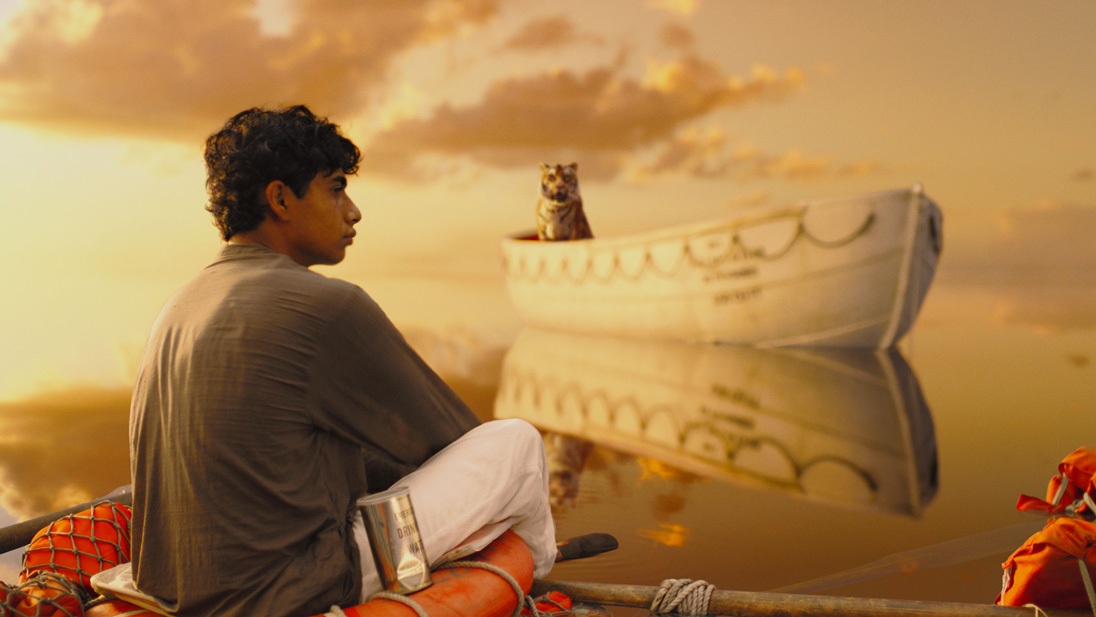
Life of Pi
Friday, February 18, 2011
Reading books: is it still a popular cultural activity?
Although reading may be considered as an old-fashioned habit to many people (especially to youth) in this century, it’s still enjoyed and practiced by other people. But how do we know that reading is still considered as a popular cultural activity when knowing that the rate of “reading a book” in the world is decreasing massively over time? Let’s elaborate this by supporting it with real-life examples.
The first shining example is Oprah’s Book Club. But first of all, let me define what a book club is in my own words. A book club is an ongoing group activity that involves individuals of similar book choices together to read certain books, discuss them, share emotions and opinions, etc. Going back to Oprah’s Book Club example, who of us would usually read anything about any product—or even buy it—just because a well-known TV personality had once recommended it? Almost every fan of this personality does so. But how did all this happen? Let’s refer to Oprah’s Book Club example again. Oprah has always been entertaining us and attracting us with the variety of topics and stories she presents in her show. She interviews celebrities, talented kids, people with emotional stories of crime or suffering, etc. She made the public more attached to these kinds of stories. The result? The more fanbase she would have. This amazing love that she gains makes it easier for her to say or promote stuff for people to attach to or to do. Furthermore, by forming her own book club and recommending books, Oprah makes more and more people open books and actually read.
The second example is the clever idea of making movie sequels based on books. How is that clever? Almost everyone has watched and loved the first Harry Potter movie before reading the book. What was J.K Rowling’s next step? Her next step was writing the next books of the sequel before making the movies based on them. As some people got attached strongly to Harry Potter stories, of course they couldn’t wait for the next movies to come out to know the rest of the story. As a result, they had only one option: to buy and read the rest of Harry Potter novels to know how the story will come to at the end.