Companies use advertisements
to draw their audiences’ attention and get them interested to buy their
products. However, people usually
don’t like to watch the ads. People think of the ads as a break from movies,
they can get up, go to another place, or they can change the channel; people
hate watching ads. Therefore, companies figured another way to advertise their
products, which is in movies; this process is called product placement.
According to sociology, product placement is defined as a
form of advertising where branded goods or services are placed in context
usually devoid of ads. Audiences are
forced to look at the brands or the products in the movie. However, Audiences indirectly
feel it, or they may get have the desire to buy the product that they saw in
the film. Thus, companies now can reach their customers and have new ones
locally and globally. The Terminal is
a movie about Navorski (Tom Hanks), this movie sets inside the airport and many
major brands took place during the movie, in this scene, Navorski figured out
how to collects coins to get himself a Whopper meal. Navorski finally lifted
the inaccurately well-dressed burger to his mouth as the sound of the music is heroically
increasing. From this scene, Burger King restaurants wish you to get up, drive
to the nearest Burger King and get a Whopper meal.
The product placement in movies is prevalent because it
works. When a celebrity’s fans see him/her in a movie with a certain product,
they want to get it so that to become like them. For example, Will Smith’s
admirers may got the Ray-Ban glasses once they saw him in Men In Black with his Ray-Ban sunglass. Product placement with an
attractive character may make the product placement more successful. The more
the product pairs with a good-looking actress, the more people like the
product.

However, in Cars movie,
product placement weren’t directly paid to cars like Ferrari, Porsche etc. But
they helped in the technical field of the vehicles during the film's creations.
Porsche AG was the latest model for Porsche, and Prosche was the female version
in Cars who fall in love with Ferrari (McQueen); McQueen is the hero in this
film, and all kids’ dream is to get a Ferrari once they grow up. This film has
produced cultural products that lend
themselves to branding and merchandising opportunities, such as
McQueen toys in McDonald’s happy meals.
The Island movie –
a sci/fi-thriller movie - used many products in it, maybe to make the story
more realistic! But when you see the movie, you suddenly feel compelled to buy
all the luxurious stuff such as the yacht, the Cadillac car, Apple iMac, or any
product from Calvin Klein etc. all of the products in the movie get exposure
and promoted internationally.
The more you see a name, consciously or subconsciously, the
more likely you will buy that product compared with another brand, or a no-name
brand “TRUST ME”. When I saw The Devil
Wears Prada movie, I wanted to get Miranda (Meryl Streep)’s Prada bag, or
her amazing shoes, clothes and everything, every time I watch the movie, I get
the desire to do CRAZY SHOPPING.

Product replacement in movies can help the companies to
strengthen their names in the long run, because many movies from the secondary market have the opportunity
to generate profit from a cultural
product beyond its domestic sale in
its original format. On other words, the products in the films can be seen in
DVD format, airplane displays, iTunes etc.; that’s why many companies are
trying to be part in scenes in movies.
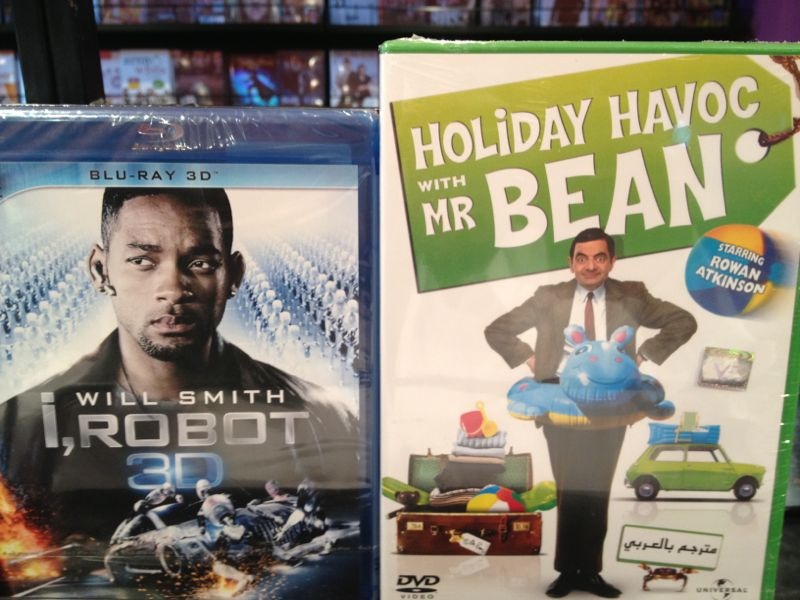
The Audi RSQ car plays a central role in I, Robot movie. Mr. Bean's car, a British Leyland Mini 1000 has its own character in all Mr. Bean's movies and episodes.


