This year, Qatar National Sports Day was on February 12th, to which residents and locals were
encouraged to participate in sports and activities to raise awareness on living
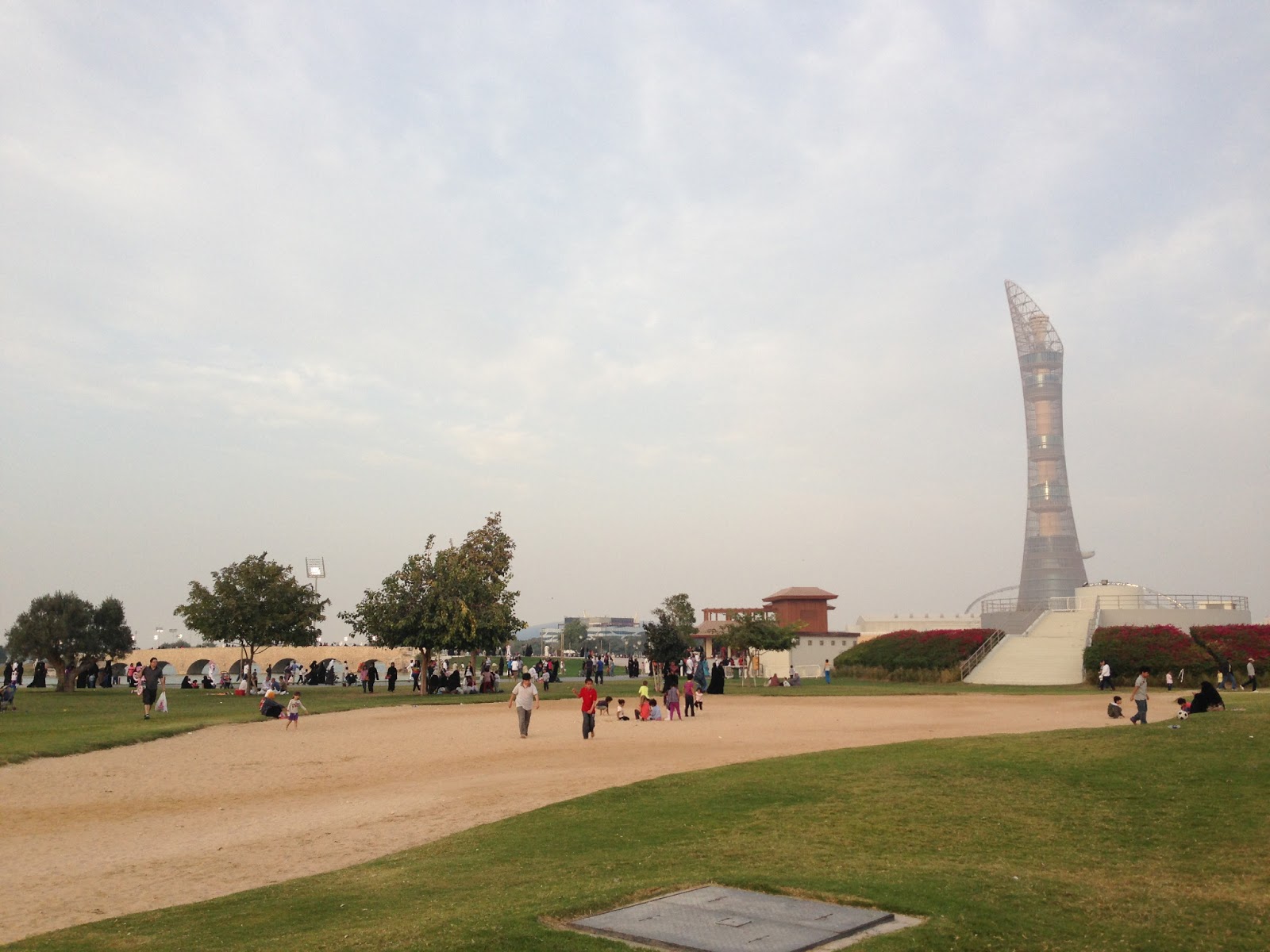
healthy lifestyles. Aspire Park, Corniche and Katara were clustered with
people. At Aspire, there was a competition among the Civil Defense, kids
activities and informational sessions and, for those who missed the point
completely, people who came with picnics of unhealthy food.

National Sports Day,
although a social concept, has a lot of ethnic meaning in terms of sharing
cultural practices and perspectives. Ethnicity means common characteristics
including ancestry, history, language, religion and a shared cultural heritage.
Therefore, what most residents don’t understand is that apart from having the day
for health motivation, it’s also supposed to motivate more cultural ways to
participate in the community.

The Emir and Heir Apparent also participated in the event by riding a purebred Arabian camel at Um Ethnaytein. Qatar News Agency reported that the Emir’s important taking part came due to; “HH belief in the importance of sports and its significant role in the lives of n the lives of individuals and communities; and contributes to revive the sports of parents, grandparents and authentic Arab heritage.” The ironic thing was that the day mostly revolved around setting Guinness world records rather than participating in sports that involved “authentic Arab heritage.” For example, Qatar set the Guinness world record for the largest number of players in a five-a-side non-stop football match and having the largest football (or soccer ball) ever at 38-foot-high.
My opinion on what the main idea behind
National Sports day comes from the importance of community participation and in
terms of improving health, the sociological theory of social change, meaning the
alteration of the social order of society. In an interview I conducted for my Media Storytelling class project on health and the
growing issue of diabetes in Doha, I found that “[the] National Health Strategy
reported that 71% of all residents are overweight, including 75% of Qatari’s.
40% of Qatari’s are obese compared to 32% of all residents.” Therefore,
the slowly growing awareness of improving Qatari’s health was a major
sociological problem for health experts to address in Qatar, one of which was
the result of National Sports Day and what I think was the reason of importance
for the Emir and the Heir apparent to show their participation as of equal
importance.


